Sustainable Solutions: How E-Waste Recycling Services Are Saving Our Planet
Electronic waste presents serious dangers to the environment, as discarded electronics often contain toxic materials. These hazardous substances can contaminate soil and water, causing extensive damage to surrounding ecosystems. E-waste recycling services present a viable solution. They serve the dual purpose of reclaiming precious materials and reducing contamination. Gaining insight into how these programs function and affect local communities is critical. Pursuing efficient e-waste management brings forth pressing questions regarding individual duties and shared responsibility. What measures can be pursued from this point onward?
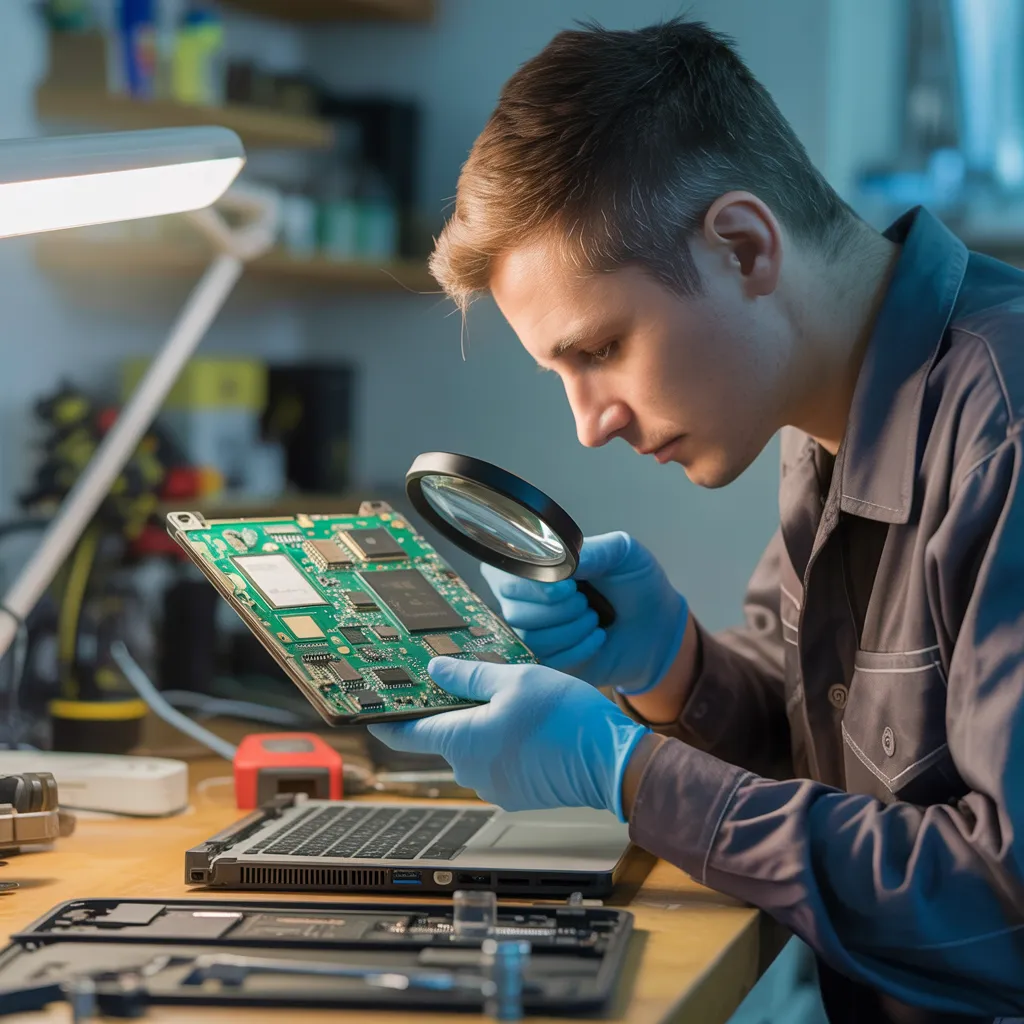
Why E-Waste Poses a Threat to the Planet
Although technology enhances modern life, e-waste poses considerable environmental hazards. Discarded electronic devices, frequently composed of toxic substances including mercury, lead, and cadmium, may release harmful substances into groundwater and soil, creating hazards for both wildlife and human well-being. The rapid pace of technological advancement contributes to higher rates of electronics disposal among consumers, worsening the buildup of e-waste.
Landfills, already strained by waste, are unable to keep up with the rising quantities of abandoned electronics. Incineration, another disposal method, releases View details harmful pollutants into the atmosphere, contributing to air quality degradation. In addition, improper recycling practices can lead to the exportation of e-waste to developing countries, where laborers may dismantle devices without adequate safety measures, exposing themselves to dangerous substances. This pattern of negligence and mismanagement highlights the critical demand for eco-friendly recycling alternatives that can reduce the damaging impact of electronic waste on the environment.
What Is E-Waste and Why Is It Important?
Electronic waste, commonly known as e-waste, encompasses obsolete electronic products like televisions, computers, and smartphones that have reached the end of their useful life. This rapidly expanding waste category is noteworthy because of its swift buildup, propelled by advances in technology and evolving consumer behaviors. As growing numbers of electronics become outdated, the environmental impact intensifies, with harmful substances like lead, mercury, and cadmium posing risks to ecosystems and human health.
Addressing e-waste is crucial not only for reducing these dangers but also for acknowledging the precious materials found within it. Precious metals and rare earth elements can be recovered and reused, reducing the need for mining and conserving natural resources. Through a deeper awareness of e-waste and its consequences, both individuals and organizations can make well-informed choices regarding disposal and recycling, thereby supporting a more sustainable future. Proper management of e-waste is essential for fostering a circular economy and promoting environmental stewardship.
How the E-Waste Recycling Process Works
The recycling of e-waste encompasses a systematic process intended to extract beneficial components while reducing harm to the environment. To begin, discarded electronics are retrieved and sent to dedicated processing centers. Once there, the devices undergo thorough sorting to distinguish harmful elements from reusable resources.
Next, technicians dismantle the devices, removing metals, plastics, and glass. This process is vital, as it allows for the reclamation of valuable metals like copper, gold, and silver, which can be recycled in new electronic devices.
Subsequently, the sorted materials are handled via sophisticated techniques, such as shredding and specialized chemical treatments, to purify them for repurposing.
Finally, the remaining dangerous materials are managed properly, complying with environmental guidelines. This systematic method not only conserves resources but also minimizes the hazards connected to irresponsible electronic waste disposal, ensuring a more sustainable future for electronic consumption.
Advantages of E-Waste Recycling for You and Your Community
Although it often goes unnoticed, the advantages of e-waste recycling go far beyond individual benefit and actively shape entire communities. By carefully processing electronic waste, individuals play a role in creating a safer environment, decreasing harmful substances that can seep into soil and water. This responsible method actively safeguards local ecosystems and supports public health.
Furthermore, the recycling of e-waste encourages employment opportunities within local communities. Local recycling facilities often require personnel for numerous tasks, from collection to processing, therefore offering work opportunities for community members. This not only boosts the local economy but also promotes community participation in sustainable initiatives.
Additionally, knowledge about e-waste recycling can lead to educational initiatives, empowering residents to pursue greener alternatives. By taking part in e-waste recycling programs, individuals nurture a culture of sustainability, motivating others to follow suit. All things considered, the collective impact of these actions can lead to a more sustainable and conscientious community.
How to Choose an E-Waste Recycling Service
Choosing the best e-waste disposal service is vital for ensuring that electronic waste is processed in a responsible and sustainable manner. To begin, people should confirm the provider's certifications, such as e-Stewards or R2, which signify conformance to industry standards for safe recycling practices. Additionally, it is advisable to evaluate the company's credibility by checking reviews and obtaining recommendations from trusted sources.
Moreover, transparency in the recycling process is vital. A dependable service should provide clear information about the way e-waste is handled and how the materials are utilized. Additionally, evaluating the range of services offered can be beneficial; some companies may provide pickup services or offer incentives for recycling.
Ultimately, familiarizing yourself with regional rules concerning e-waste disposal can additionally influence the selection process. By prioritizing these factors, people are able to support successful electronic waste reduction while also advancing environmentally responsible practices.
How You Can Take Part in E-Waste Recycling?
Getting involved with e-waste recycling may begin at the local level, where community recycling hubs regularly supply essential services for responsible disposal. Moreover, taking part in community awareness campaigns can strengthen efforts to inform others regarding the importance of responsible e-waste management. These actions not only advance environmental sustainability but also cultivate a collective sense of accountability for the environment.
Area Recycling Stations
Numerous regional recycling hubs play an essential role in electronic waste recycling, supplying communities with reliable ways to dispose of electronic waste responsibly. These centers accept a wide array of electronic equipment, including aging computers, cell phones, and television sets, guaranteeing that dangerous substances are processed safely. Most stations have qualified professionals who support individuals in understanding proper disposal practices, stressing the significance of recycling instead of landfilling. Moreover, many centers offer organized drop-off opportunities or appointed collection periods, making participation convenient for residents. By engaging with these local facilities, people help build a circular economy, minimizing ecological impact and fostering sustainable behaviors. Engaging with these centers enables communities to combat e-waste pollution successfully.
Community Awareness Campaigns
Nearby organizations, schools, and enterprises can partner to arrange initiatives that encourage e-waste collection drives. Community members can serve a critical function in spreading awareness, distributing educational materials, and engaging with the community. As a result of these combined actions, residents become more informed and motivated to recycle their electronic waste, thereby helping to build a greener and more sustainable tomorrow.
Questions We Often Receive
Which Types of Electronics Are Recyclable?
A wide range of electronics are able to be recycled, including laptops, televisions, smartphones, printers, computers, and gaming consoles. In addition, peripherals such as mice, keyboards, and batteries are well-suited for recycling, aiding in environmental conservation efforts.
Is There a Cost Associated With E-Waste Recycling?
Yes, e-waste recycling can include fees, subject to the facility. Some service centers charge fees for collection or processing, while others provide no-cost solutions, typically funded by the resale of recovered materials.
How Do Businesses Gain From E-Waste Recycling?
Businesses can benefit from e-waste recycling by reducing disposal costs, strengthening their ecological standing, adhering to regulatory requirements, reclaiming useful materials, and creating potential earnings via resale, thus supporting a greener and more sustainable operational framework.
What Happens to Data on Recycled Devices?
Details regarding refurbished devices is often completely removed or obliterated during processing. This guarantees sensitive information remains secure, preventing unauthorized access while permitting resources to be repurposed securely and sustainably in new products.
Are Broken Electronics Eligible for Recycling?
Yes, non-functioning electronics are able to be recycled. Several centers accept defective devices, guaranteeing responsible disposal and extraction of valuable materials. This effort helps lower the environmental footprint while promoting eco-friendly recycling methods to control electrical waste effectively.